The largest disclosed humanoid-rollout commitment of the current cycle was not signed by Tesla, Figure, 1X, or Agility. It was signed on Wednesday, May 13, by a two-year-old British startup called Humanoid and the 130-year-old German motion-technology supplier Schaeffler AG, in a deal whose structure is more interesting than its headline number.
Per Reuters via TimesLIVE, Humanoid CE Artem Sokolov confirmed the agreement covers an estimated 1,000–2,000 wheeled humanoid units across Schaeffler’s global manufacturing sites by 2032. The deal was also reported by Robotics & Automation News, RoboticsTomorrow, The Robot Report, and Schaeffler’s own IR release. The first phase is December 2026 through June 2027 at two German sites: Herzogenaurach (box handling in a live production environment) and Schweinfurt (near-full-scale operations testing). Contract value was not disclosed.
The deal builds on the strategic technology partnership the two companies announced in January 2026 — meaning the May 13 contract is a binding conversion of what until last week was an MOU.
The wheeled bet
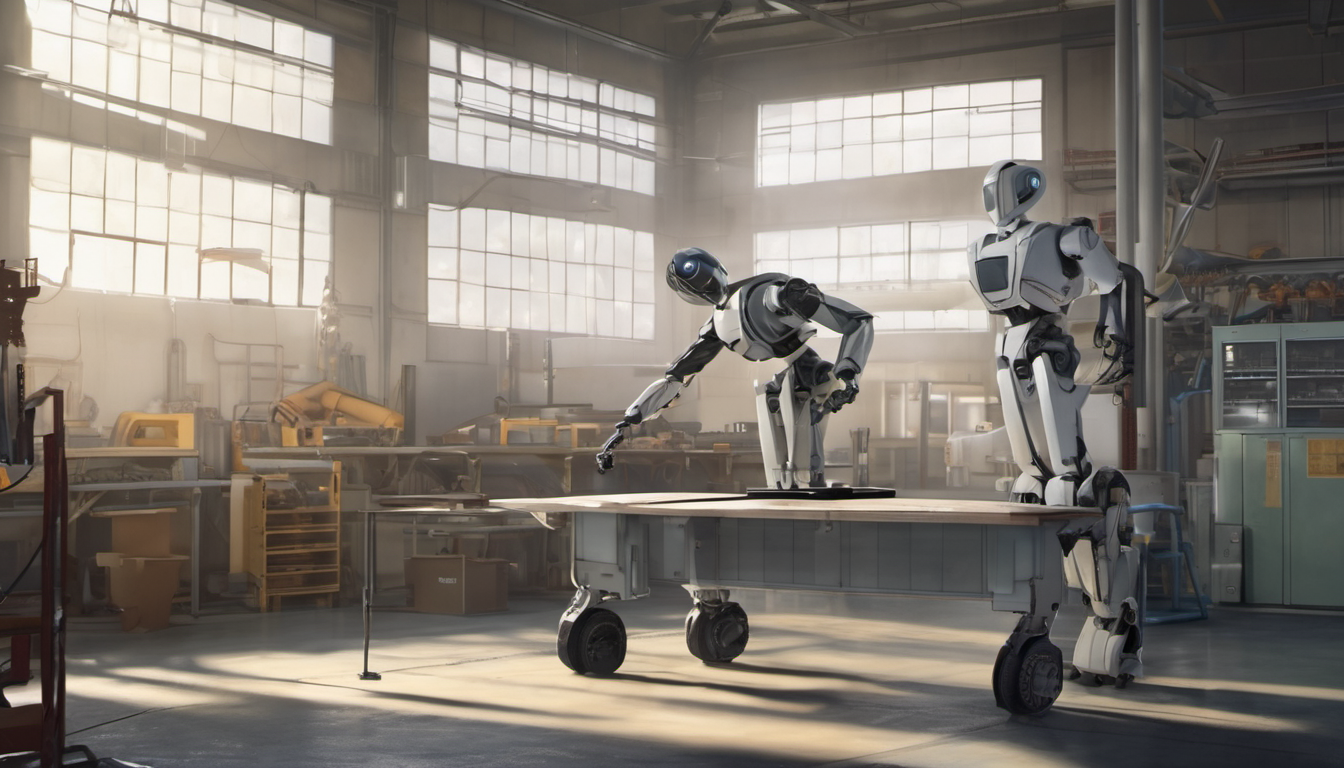
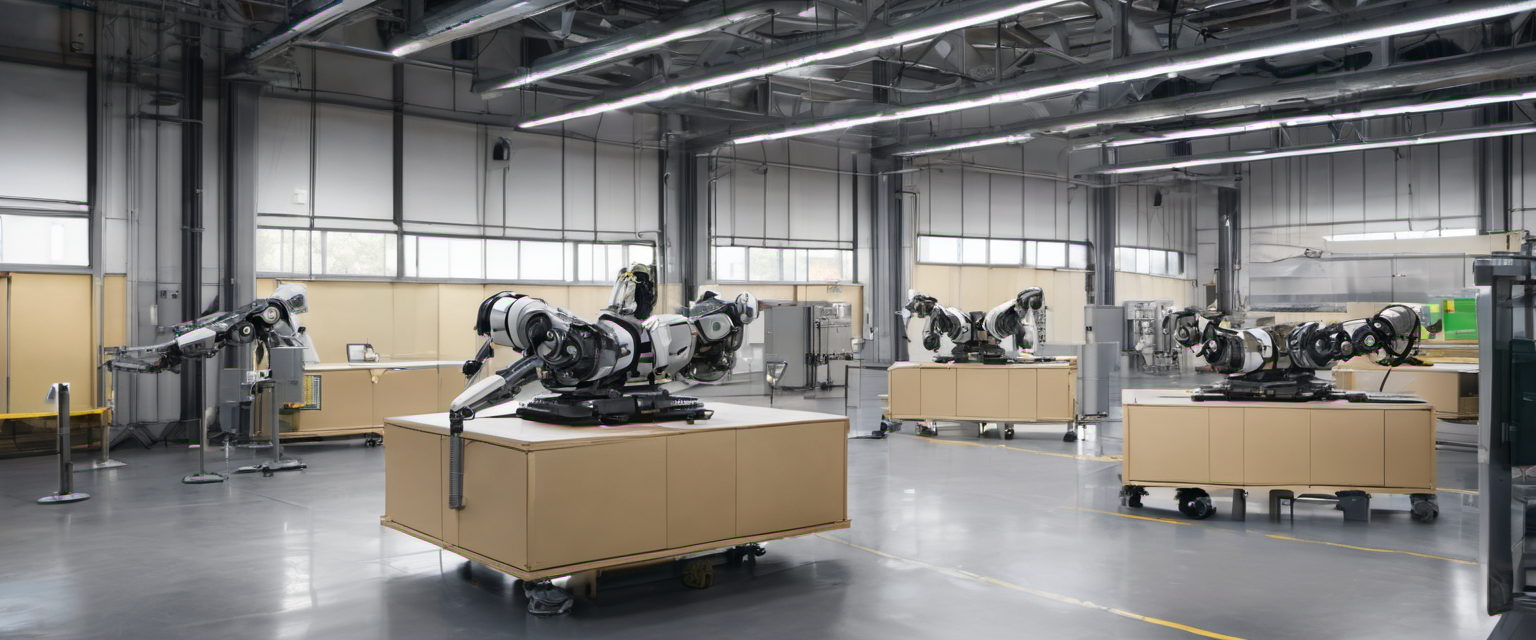
The first structural fact about this contract is that it is not bipedal. Humanoid’s deployment platform is a wheeled humanoid — a torso-and-arms upper body mounted on a powered wheeled base instead of legs. This is the same architecture as Apptronik’s wheeled Apollo variant, AGIBOT’s A2-W, and Boston Dynamics’ Stretch — and it is structurally cheaper, more reliable, and faster to deploy on factory floors that are already wheelchair-flat, like Schaeffler’s bearings lines in Herzogenaurach.
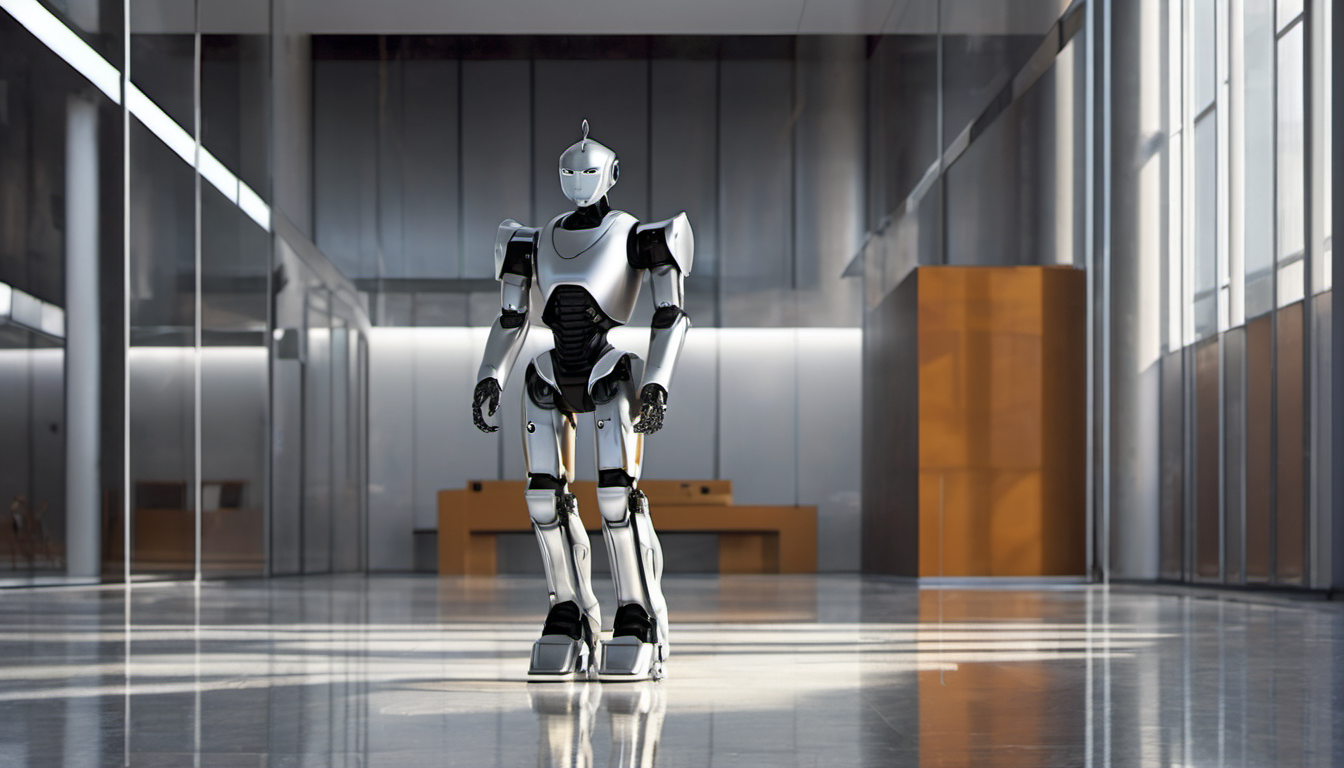
Bipedal humanoids are still the consumer pitch. Wheeled humanoids are the factory pitch. The reason a two-year-old British startup gets to book a 1,000–2,000-unit contract before Tesla Optimus or Figure 03 do is that wheeled is closer to ready:
- Wheeled platforms don’t need to solve dynamic balance, the single hardest unsolved problem in bipedal humanoid robotics in 2026.
- Wheeled platforms cost roughly 40–60% less per unit than comparable bipedal designs (per Morgan Stanley’s April humanoid market note) because they save the entire leg subsystem — six high-torque actuators per leg, balance IMUs, foot pressure sensors, and the FOC controllers that drive them.
- The Herzogenaurach use case is box handling on a fixed-grid factory floor. That is exactly the use case where wheeled outperforms bipedal on every dimension that matters for industrial buyers: throughput, MTBF, and total cost of ownership over a 7-year deployment.
Schaeffler picked the platform that ships. Tesla and Figure can market bipedal in 2030; Schaeffler needs units on the floor in 2027.
Schaeffler as customer AND supplier
The second structural fact is the part most coverage has soft-pedaled: the customer is also the supplier. The same May 13 announcement included a separate five-year supply agreement under which Schaeffler becomes Humanoid’s preferred supplier for more than 50% of its demand for joint actuators on wheeled platforms through 2031. Sokolov told Reuters the supply commitment translates to a seven-digit number of actuators over the term — meaning at least 1 million units.
This is a circular contract by design. Schaeffler gets:
- A revenue line from Humanoid’s actuator purchases — at >1M units over five years, this is a material new business segment for Schaeffler’s emerging humanoid-components book. The company told investors in early May it wants a 「3-digit-million euro」 humanoid order book by 2030. The Humanoid contract alone gets it most of the way there.
- An anchor customer for its own joint actuator manufacturing line at scale that would otherwise require ~3–5 customers to justify.
- A pilot deployment partner at its own factories that doubles as a marketing reference for selling to its automotive OEM customers, who are watching to see whether humanoid integration on a bearings line is ready for adoption on their own lines.
Humanoid Inc gets:
- A guaranteed component supply for its hardest-to-source subsystem — joint actuators — without having to build the manufacturing itself. This is the same model that lets car OEMs outsource transmissions to ZF: keep design control, hand off the metal-bending.
- A reference customer that ships its own components, which removes the standard 「your supplier might disappear」 objection from every subsequent enterprise sale.
- A revenue floor of an unprecedented size for a Series-A-stage humanoid startup.
The circular contract is the actual moat. Any humanoid competitor going after Schaeffler’s own factory volume now has to also displace Schaeffler-as-supplier, which is structurally impossible.
What it means for the humanoid market
| Company | Disclosed factory deployment | Status (May 2026) | Form factor |
|---|---|---|---|
| Humanoid Inc | 1,000–2,000 units at Schaeffler by 2032 | Binding (May 13) | Wheeled |
| Figure | BMW Spartanburg pilot; BotQ “1/hr” line at 80% yield, 350 units to date | Pilot + small production | Bipedal |
| 1X | Hayward, CA — 100k/yr by 2027 | Production prep | Bipedal |
| Tesla Optimus | ”Mass production at Fremont”; Shanghai 1M-unit commitment | Internal use only | Bipedal |
| Agility Digit | Multiple GXO / Spanx warehouse pilots | Pilot | Bipedal |
| Apptronik Apollo | Mercedes pilot | Pilot | Wheeled + bipedal variants |
| Atlas (BD) | Hyundai 30k/yr Savannah, 2028 | Pre-production | Bipedal |
| AGIBOT | 10k-unit milestone in 2026, G2 Longcheer livestream | Production + customer ops | Bipedal + wheeled |
| RobotEra | 200M USD raise; thousand-unit Q2 capacity | Production + funded | Bipedal |
The 1,000–2,000-unit ceiling at Schaeffler by 2032 is, in the disclosed-rollout column, the largest binding number anyone has signed. The Hyundai/Atlas 30,000-unit number and the Tesla/Shanghai 1-million-unit number are public forecasts, not binding orders. Figure’s BMW pilot is real but small. The Humanoid–Schaeffler deal sits in a third category: a binding multi-year delivery commitment with a named customer and a milestone calendar.
The deeper read is that the humanoid market just split into two visible tiers. Tier 1 is the bipedal consumer-and-warehouse race — Figure, 1X, Tesla, Agility — which is competing for hype, valuation, and the 2030 consumer home. Tier 2 is the wheeled industrial-deployment race — Humanoid, Apptronik wheeled, AGIBOT W, Boston Dynamics Stretch — which is competing for 2027 factory volume. Schaeffler just chose Tier 2, and it chose the youngest entrant in it.
What to watch
- The Herzogenaurach box-handling line, December 2026. This is the first publicly-named milestone. If the first 20–50 wheeled units hit Schaeffler’s stated throughput targets on a live bearings line, every German auto-tier-1 supplier will use it as a reference for their own 2027 procurement decisions. If they miss, the 1,000–2,000-unit total quietly slips to 2034.
- Schaeffler’s Q3 2026 IR commentary. The company has committed to a 3-digit-million-euro humanoid order book by 2030. With the Humanoid deal alone, that book is now a meaningful portion of the target. Q3 IR will be the first quarter where that line item is large enough to break out.
- Humanoid’s next customer. A binding 1,000–2,000-unit anchor lets Sokolov walk into BMW, Bosch, Continental, ZF, and every other German auto-tier-1 with a real reference. The second contract is the one that tells the market whether this is a Schaeffler-specific moat or a German-industrial-base wedge.
- Whether Apptronik responds. Apptronik already runs both wheeled and bipedal Apollo variants. If Apptronik announces a comparable binding factory-deployment contract within 60–90 days, the Tier-2 race is contested. If not, Humanoid effectively claims the wheeled-industrial slot solo.
- The actuator order book. Schaeffler’s 7-digit actuator commitment is the cleanest revenue line in the deal. Watch for the company’s mid-2027 capacity expansion announcement at its Herzogenaurach and Schweinfurt plants — that is where the actuator volume gets built, and it will be the first hard capex number tied to the contract.
The morning-after read is that the most consequential humanoid contract of the cycle was signed by two companies that are not on most analysts’ top-five list, that the form factor is wheeled rather than bipedal, and that the customer is also supplying the joint actuators. The factory race is now decoupled from the consumer race, and the factory race has a leader nobody had on their card.