
Locus Origin
Made by Locus Robotics
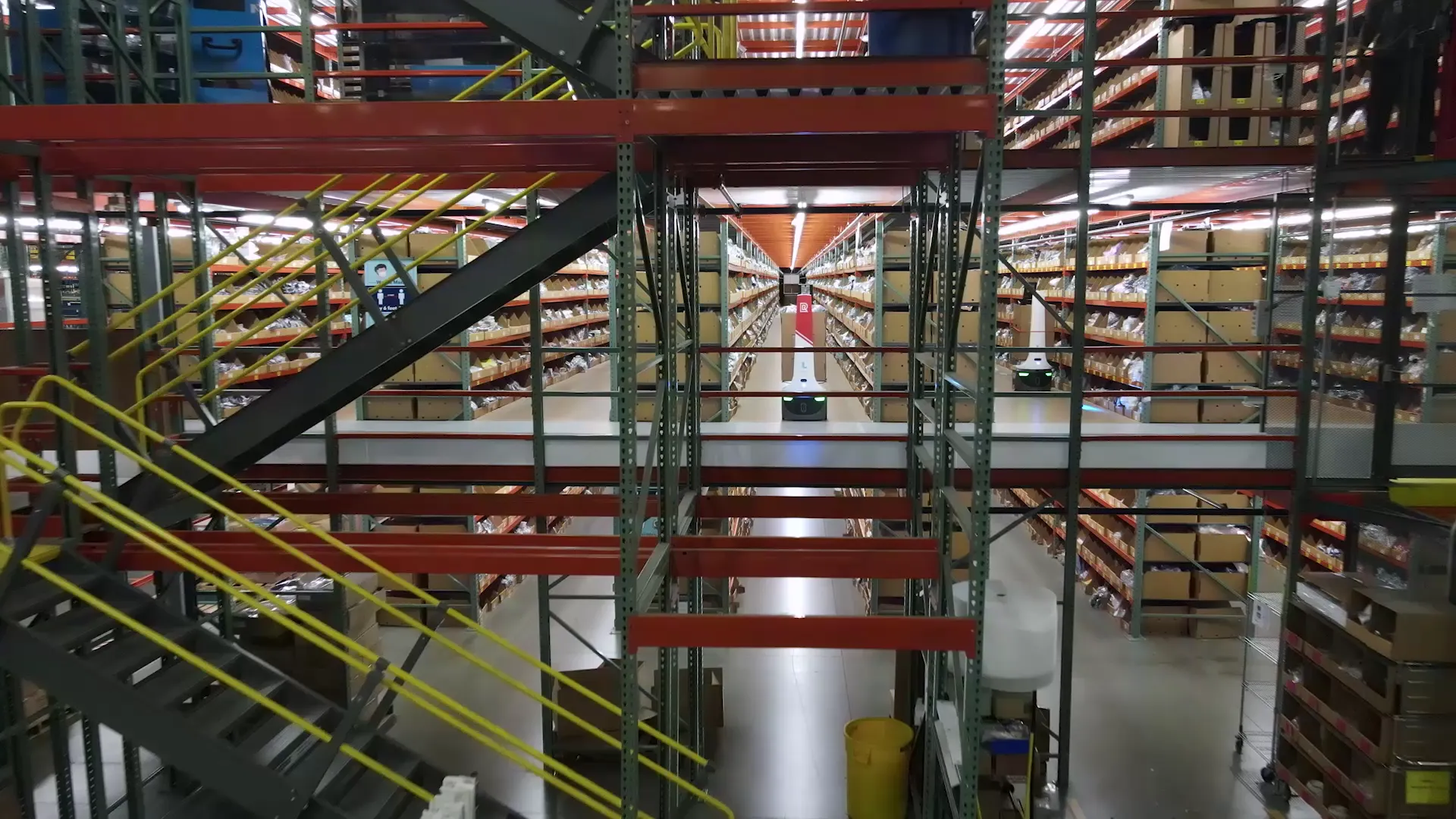
Photo: Locus Robotics
- navigation
- LocusONE orchestration + on-board vision/LiDAR
- payload lbs
- 80
- business model
- Robots-as-a-Service (RaaS) subscription
- payload kg approx
- 36
- productivity lift
- 2-3x vs manual picking
- fleet orchestrator
- LocusONE
- deployment lead weeks
- 6 - 8
Who's exposed
Jobs in the threat radius
- warehouse picker
- order picker
- fulfillment associate
- returns processor
- putaway clerk
Deployment status
Shipping at scale across hundreds of fulfillment facilities. Publicly deployed by DHL Supply Chain (reported productivity jump from 78 UPH to 150 UPH per picker), Kenco Group (30-40 UPH to 120-150 UPH), CEVA Logistics, Radial, Carhartt, Cardinal Health, Maersk, ULTA, and Ryder. Standard deployment timeline is 6-8 weeks from kickoff to go-live. The Robots-as-a-Service model means warehouses pay per robot-hour rather than per unit, which is part of why adoption has scaled the way it has.
When this hits the labor market
Already happening. The 2-3x productivity multiplier doesn't always mean fewer pickers in the short term — it often means the same headcount handles more volume during peak. But the longer-term effect is the rate of new picker hires falling, especially for the contract 3PL roles that are the entry point into warehouse work. Next 1-3 years: continued displacement of picker-hours, particularly for seasonal hiring. 3-5 years: as Locus Array (the fully autonomous Robots-to-Goods system) scales, pick labor in the largest facilities goes from 'augmented by robots' to 'mostly absent'.
Is this robot coming for your job?
Press releases speak in averages — LostJobs talks about your role. Find out which parts of your job hold up and which don't. Free.
Talk to LostJobs about my future
The robot already in your warehouse
If you’ve worked an order picking shift at a third-party logistics provider in the last five years, there’s a decent chance you’ve already met a LocusBot. The Locus Origin is the collaborative autonomous mobile robot used by DHL Supply Chain, Kenco, CEVA, Radial, Carhartt, Cardinal Health, Maersk, and a couple hundred other warehouses. It pulls a cart, you put items on the cart. You don’t walk as much; the bot does the walking. Productivity, the operators report, roughly doubles or triples.
What the productivity number actually does
DHL Supply Chain went from 78 units per hour per picker to 150 UPH. Kenco went from 30–40 UPH to 120–150 UPH. Those are real numbers from real public press, not vendor decks. The thing they don’t tell you in the case study is what that means for hiring: a facility doing the same volume needs fewer pickers, or the same pickers do more volume during peak. In either case, the new-hire pace bends. The seasonal “warehouse jobs available” announcements that used to ramp up before holiday peak get smaller every year, and Locus is one of the reasons.
Why we care for LostJobs
This is the most boring, most under-discussed, and most consequential robot on this catalog. It has none of the humanoid drama. It’s not on TikTok. It just goes to work, pulls a cart, doubles a picker’s throughput, and quietly compresses the labor market for one of the largest job categories in the US economy. If you are a warehouse picker, order picker, or fulfillment associate — especially at a 3PL — Locus and platforms like it are what’s actually happening to your job, right now, not in 2030. The good news: the same productivity math means the pickers who remain are paid for higher-throughput work, and ergonomic injury rates have dropped at facilities that deploy these. The hard news: there will be fewer of them.