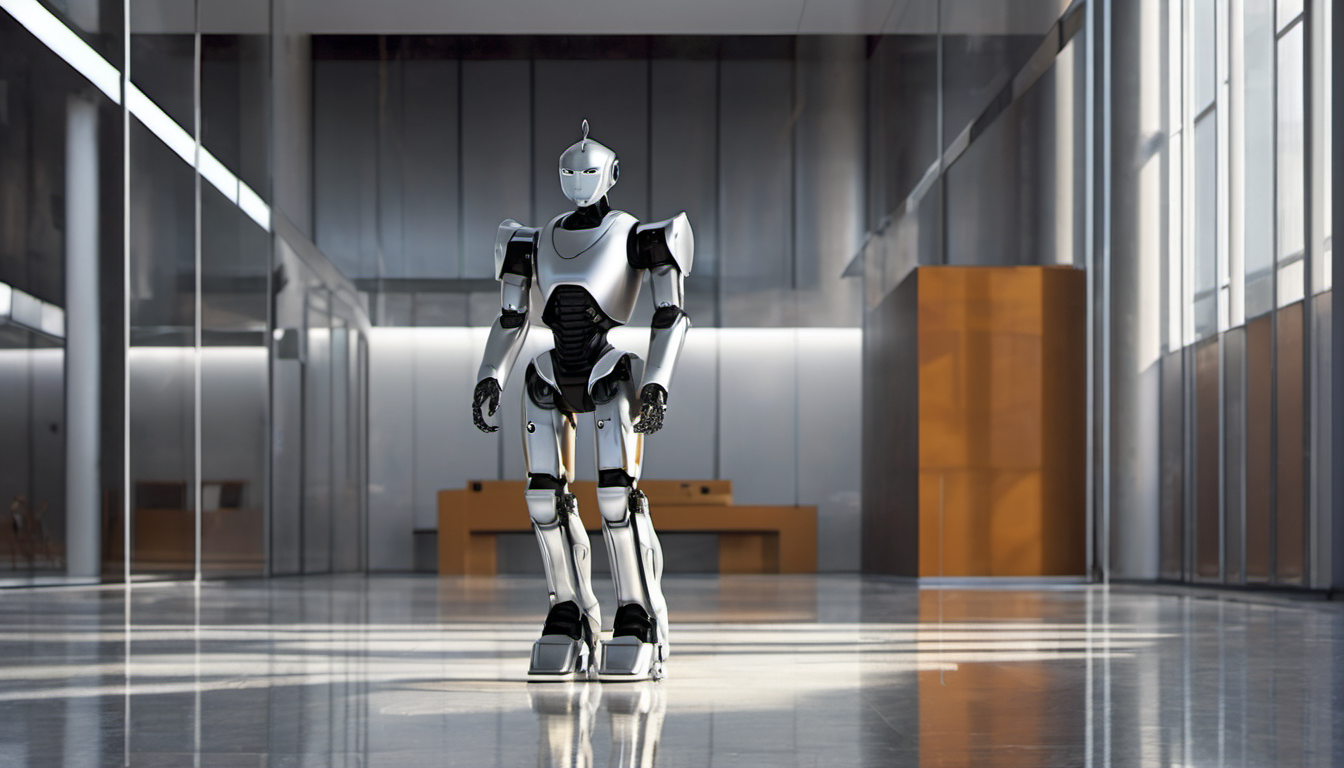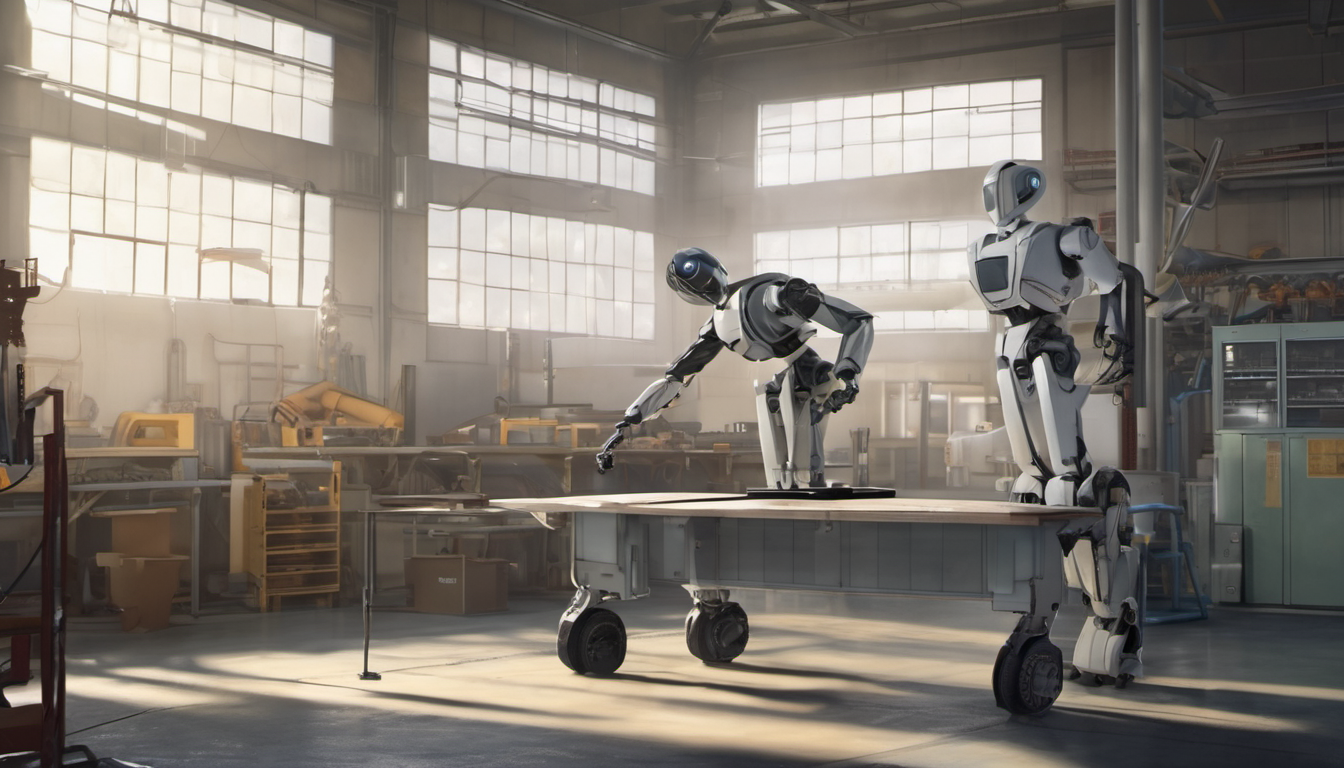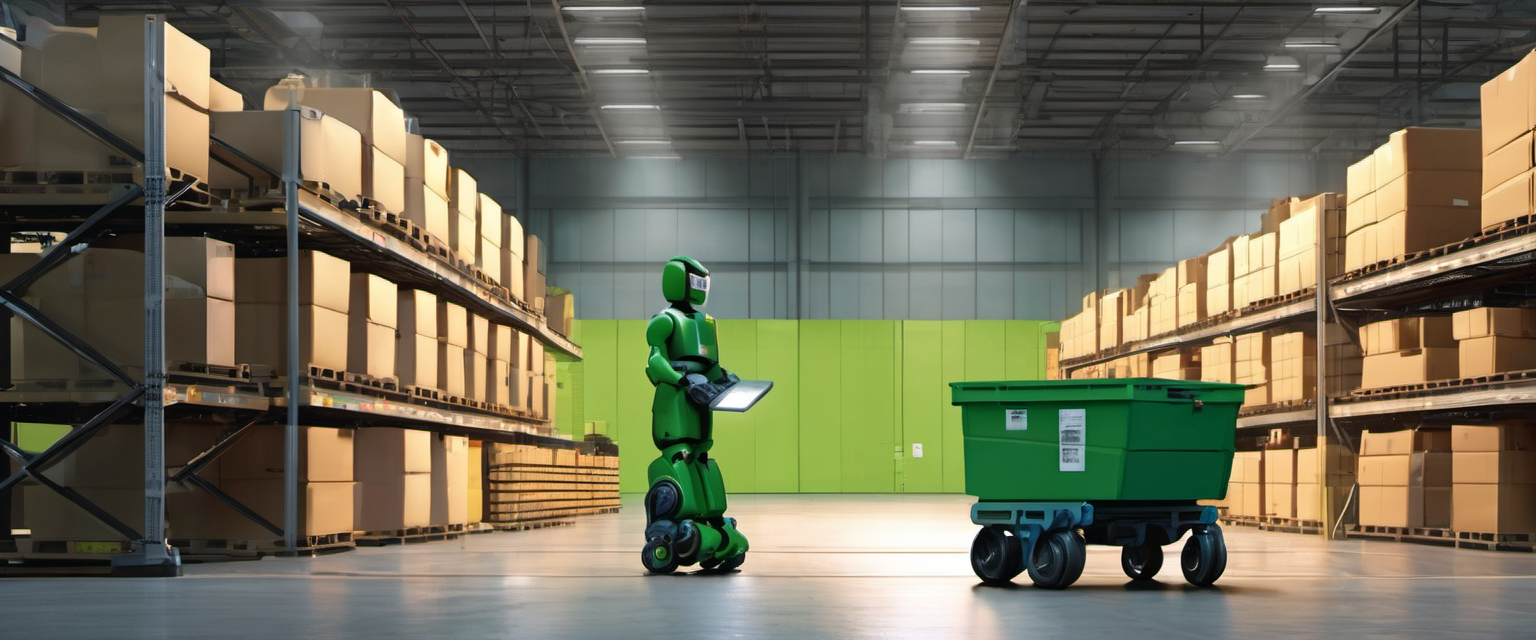
Tesla has been promising Optimus at scale for so long that the promise has become its own genre. This time there is at least a room and a date attached. On its Q1 2026 earnings call, the company said it will begin building the third-generation Optimus at its Fremont factory in late July or August — on the very floor where the last Model S and Model X were assembled before that line shut down in early May.
A car line becomes a robot line
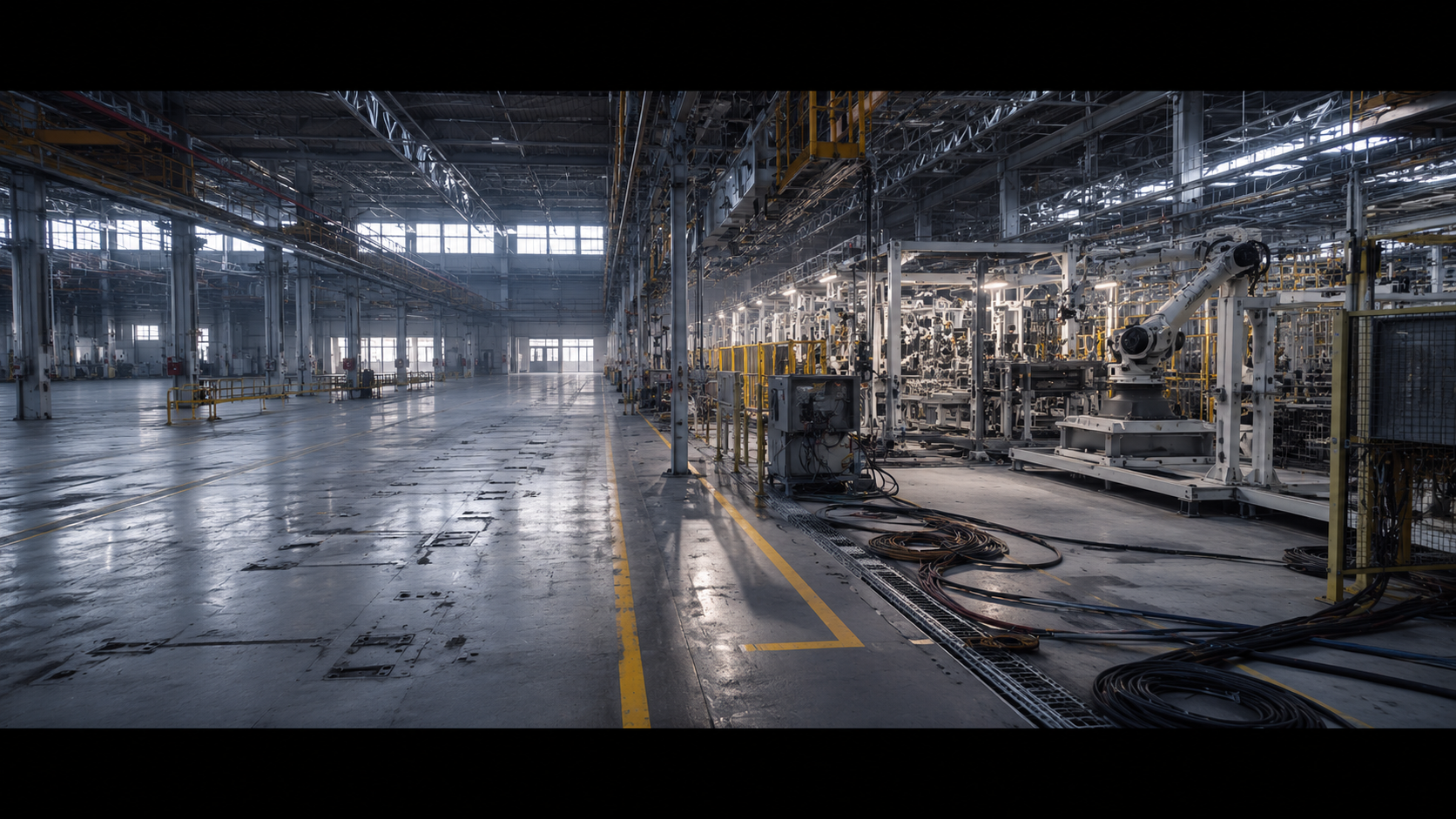
The symbolism is hard to miss and Tesla is not trying to hide it. Fremont’s dedicated S/X assembly area has been cleared and rebuilt as an Optimus production line, per Electrek. The two flagship sedans that once defined the brand rolled off in early May; a few months later, the same square footage is meant to start turning out humanoid robots instead.
Tesla says the reveal of Optimus V3 is timed to land alongside the start of production, in late July to early August, according to Basenor. That pairing — unveil and build in the same window — is deliberate. It lets a demo double as evidence that the thing is real and shipping, rather than another stage prototype walking under careful lighting.
The numbers Musk is careful about
Here is where the house skepticism earns its keep. Musk told investors that initial output will be “quite slow” and called the production rate this year “literally impossible to predict,” because Optimus has around 10,000 unique parts moving down an entirely new line, as Teslarati reported. The eventual target for the Fremont line is a million units a year. The gap between “impossible to predict” and “a million a year” is the whole story, and it is worth sitting in rather than skipping past.
Underneath the robot is new silicon. Tesla taped out its AI5 chip on April 15, and Musk has claimed it delivers roughly 8x the compute, 9x the memory, and 5x the bandwidth of the AI4 chip that came before it. On paper that is the kind of jump that makes a robot’s on-board brain plausible for real-world tasks. On the factory floor, a taped-out chip and a running assembly line are still two very different achievements, and only one of them has a shipping date.
What it means for anyone watching the labor question
For the audience that cares about work rather than share price, the useful frame is not “will Optimus change everything” but “when does a humanoid become a line item a plant manager can actually buy.” Late-July production of a few units is not that moment. It is the step before it — the point where a company stops showing a robot dancing and starts trying to make the same robot twice, then a hundred times, then reliably.
That is the honest read of this news. Tesla is moving Optimus from the demo phase into the far less photogenic phase of manufacturing, and it is doing so on the ground where it used to build cars — a clean visual for a company that wants you to believe the future is arriving on schedule. Whether it arrives at one a week or ten thousand a month is the only number that will matter to the warehouse and factory jobs everyone keeps invoking. Musk, to his credit, has already told you he doesn’t know that number yet. The reveal will be a show. The thing to watch afterward is the boring monthly count of how many actually got built.